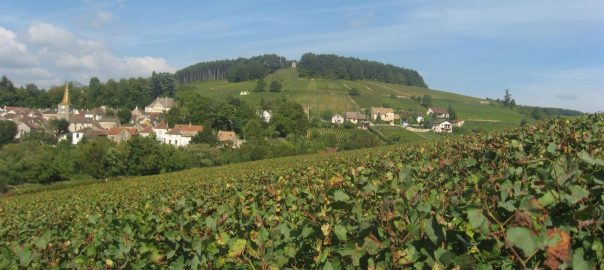
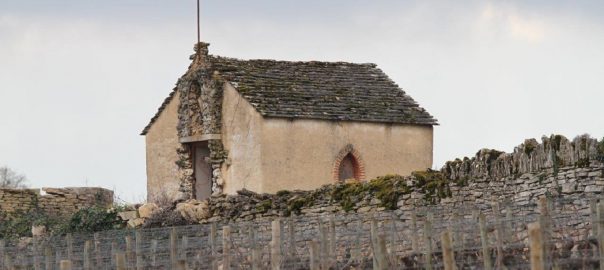
'Clos Saint Désiré' - Domaine Prunier-Bonheur
'Cul Sec' - Dupuis Wines
'Into The Light' Blaufränkisch Blanc de Noirs - Gernot Heinrich
'Les Crais' - Domaine Prunier-Bonheur
'Morogues' - Domaines Minchin
'Out of the Dark' Blaufränkisch - Gernot Heinrich
'Pommerais' - Domaines Minchin
'PréFeuvres' - Domaine Prunier-Bonheur
'Sous le Château' - Domaine Prunier-Bonheur
‘Variety' - Weingut Leiner
1er Cru 'Les Duresses' - Domaine Prunier-Bonheur
1er Cru 'Les Sizies' - Domaine Prunier-Bonheur
Aglianico del Vulture 'Arberesko' - San Martino
Aglianico del Vulture 'Kamai' - San Martino
Aglianico del Vulture 'Siir' - San Martino
Aloxe-Corton - Domaine Follin-Arbelet
Aloxe-Corton 1er Cru 'Clos du Chapitre' - Domaine Follin-Arbelet
Aloxe-Corton 1er Cru 'Les Vercots' - Domaine Follin-Arbelet
Alsace Mémoire - Domaine Dirler-Cadé
Alvarinho 'Granit' - Soalheiro
Alvarinho 'Terramatter' - Soalheiro
Amarone Classico della Valpolicella - Campagnola
Amboise 'Genesis' - Bonnigal-Bodet
Anderson Valley Chardonnay - Brick & Mortar
Anderson Valley Pinot Noir - Brick & Mortar
Anderson Valley Pinot Noir - Anthill Farms
Anderson Valley Pinot Noir 'Baker Ranch' - Anthill Farms
Arbois 'En Chemenot' - Domaine Croix & Courbet
Areti Blanc - Ktima Biblia Chora
Areti Rouge - Ktima Biblia Chora
Armagnac 'Hourtica' - Francis Darroze
Armagnac 'Paguy' - Francis Darroze
Armagnac 'Pounon' - Francis Darroze
Armagnac Biologic 4 ans - Francis Darroze
Assyrtiko - Ktima Parparoussis
Auxey-Duresses - Domaine Prunier-Bonheur
Ava Syrah - Rall Wines
Barbaresco - Nada Fiorenzo
Barbaresco 'Manzola' - Nada Fiorenzo
Barbaresco 'Montaribaldi' - Nada Fiorenzo
Barbaresco 'Rombone' - Nada Fiorenzo
Barbera d'Alba - Elio Altare
Barbera d'Alba 'MonBirone' - Monchiero Carbone
Barbera d'Alba 'Trevigne' - Domenico Clerico
Barolo - Elio Altare
Barolo - Raineri
Barolo - Domenico Clerico
Batard-Montrachet Grand Cru - Domaine Pierre Morey
Beamsville Bench Chardonnay 'Béton' - Hidden Bench
Beamsville Bench Sauvignon Blanc 'Béton' - Hidden Bench
Beaujolais 'En Besset' - Domaine de Fa
Beaujolais 'Origine' Vieilles Vignes - Famille Chermette
Beaujolais Villages - Domaine de Vernus
Beaujolais-Villages - Domaine des Moriers
Beaune - Domaine des Croix
Beaune 1er Cru 'Les Grèves' - Domaine des Croix
Beaune 1er Cru 'Pertuisots' - Domaine des Croix
Beaune 1er Cru 'Tuvilains' - Domaine des Croix
Biblinos Oenos - Ktima Biblia Chora
Bienvenues Bâtard Montrachet Grand Cru - Domaine Jacques Carillon
Bierzo 'El Valao' - Vinos Valtuille
Bierzo Pago de Valdoneje - Vinos Valtuille
Bishop Creek Pinot Noir - Nicolas-Jay
Blaufränkisch - Gernot Heinrich
Bonnet Orange - Bonnet-Huteau
Bordeaux - Château Les Arromans
Bordeaux 'Petit Paveil' - Château Paveil de Luze
Bordeaux Blanc - Château Grand Village
Bordeaux Blanc 'Les Champs Libres' - Château Lafleur
Bordeaux Supérieur - Château Grand Village
Bordeaux-Supérieur 'Cru Monplaisir' Gonet-Medeville - Château Respide-Médeville
Bourgogne 'Pressonniers' - Domaine Joseph Roty
Bourgogne Aligoté - Domaine Pierre Morey
Bourgogne Aligoté - Domaine René Bouvier
Bourgogne Aligoté - Domaine Rapet
Bourgogne Aligoté - Maison de la Chapelle
Bourgogne Aligoté - Arpents
Bourgogne Aligoté - Les Petits Lieux
Bourgogne Aligoté 'Vigne de Marie Louise' - Domaine Céline & Frédéric Gueguen
Bourgogne Aligoté Vieilles Vignes Sans Soufre - Domaine René Bouvier
Bourgogne Blanc - Les Petits Lieux
Bourgogne Blanc - Camille Giroud
Bourgogne Blanc - Domaine Rémi Jobard
Bourgogne Blanc Côte d'Or - Domaine Jean Chartron
Bourgogne Blanc Côte d'Or - Arpents
Bourgogne Blanc Côte d'Or - Arpents
Bourgogne Blanc Côte d'Or - Domaine Michel Bouzereau
Bourgogne Blanc Côte d'Or - Domaine Pierre Morey
Bourgogne Côte Chalonnaise 'Les Gardes' - Domaine Les Champs de l’Abbaye
Bourgogne Côte Chalonnaise 'Oxfordiennes' - Domaine Les Champs de l’Abbaye
Bourgogne Hautes-Côtes de Beaune 'Au Crêtot' - Camille Giroud
Bourgogne Hautes-Côtes-de-Nuits - Domaine Philippe et Vincent Lecheneaut
Bourgogne Hautes-Côtes-de-Nuits - Decelle & Fils
Bourgogne Passetoutgrain - Domaine Gérard Mugneret
Bourgogne Rouge - Domaine Dureuil-Janthial
Bourgogne Rouge - Domaine Gérard Mugneret
Bourgogne Rouge - Domaine Joseph Roty
Bourgogne Rouge - Les Petits Lieux
Bourgogne Rouge - Domaine Amiot-Servelle
Bourgogne rouge - Domaine Lucien Muzard & Fils
Bourgogne rouge - Domaine Pierre Damoy
Bourgogne rouge - Domaine Perrot-Minot
Bourgogne Rouge - Domaine Philippe et Vincent Lecheneaut
Bourgogne Tonnerre - Domaine Roland Lavantureux
Bourgueil 'Pavillon du Grand Clos' - Domaine Yannick Amirault
Brunello di Montalcino - Talenti
Brunello di Montalcino - Franco Pacenti
Brunello di Montalcino 'Rosildo' - Franco Pacenti
Brunello di Montalcino Riserva - Franco Pacenti
Brut Rosé Reserve - Fred Loimer
Bullas 'P,P,P' - François Chidaine
Cabernet Sauvignon - Grayson Cellars
Cabernet Sauvignon 'Delta' - Brick & Mortar
Cabernet-Côt - Bonnet-Huteau
Cahors 'Extra libre' - Château du Cèdre
Cahors 'Juvéniles' - Château du Cèdre
Cahors 'Prestige' - Château Haut-Monplaisir
Cahors 'Tradition' - Château Haut-Monplaisir
California 'Superbloom' - Las Jaras Wines
Calvados 10 years - Domaine Famille Dupont
Calvados 15 years - Domaine Famille Dupont
Calvados VSOP - Domaine Famille Dupont
Cap au Sud - Domaine François Carillon
Carmignano 'Il Sasso' - Piaggia
Castillon-Côtes de Bordeaux - Roc du Manoir
Cerasuolo di Vittoria Classico - Roc du Manoir
Chablis - Domaine d’Élise
Chablis - Maison de la Chapelle
Chablis 1er Cru 'Fourchaume' - Domaine Roland Lavantureux
Chablis 1er Cru 'Fourchaume' - Domaine Céline & Frédéric Gueguen
Chablis 1er Cru 'Les Vaillons' - Domaine Billaud-Simon
Chablis Grand Cru 'Blanchot' - Domaine Céline & Frédéric Gueguen
Chablis Grand Cru 'Bougros' - Domaine Billaud-Simon
Chablis Grand Cru 'Bougros' - Domaine Roland Lavantureux
Chablis Grand Cru 'Vaudésir' - Domaine Roland Lavantureux
Chablis Vaux Carré - Domaine Roland Lavantureux
Chambolle-Musigny - Domaine Philippe et Vincent Lecheneaut
Chambolle-Musigny 1er Cru - Domaine Philippe et Vincent Lecheneaut
Chambolle-Musigny 1er Cru 'Derrière la Grange' - Domaine Amiot-Servelle
Chambolle-Musigny 1er Cru 'Les Combottes' - Domaine René Bouvier
Chambolle-Musigny 1er Cru 'Les Plantes' - Domaine Amiot-Servelle
Champagne 'Les Vignes d'Autrefois' - Champagne Laherte Frères
Champagne 1er Cru 'Cuvée Tradition' Gonet-Médeville - Château Respide-Médeville
Champagne 1er Cru 'Nature de Craie' - Champagne Laherte Frères
Champagne 1er Cru Blanc de Noirs - Château Respide-Médeville
Champagne Blanc de Blancs 'Les 3 Terroirs' - Champagne Michel Gonet
Champagne Blanc de Blancs Grand Cru 'Les Hautes Mottes' - Champagne Michel Gonet
Champagne Brut Blanc de Blancs - Delamotte
Champagne Brut Réserve '6g' - Champagne Michel Gonet
Champagne Extra-Brut Blanc de Blancs Vindey-Montgueux - Champagne Michel Gonet
Champagne Rosé de Saignée 'Les Beaudiers' - Champagne Laherte Frères
Chardonnay - Gernot Heinrich
Chardonnay - Ktima Gerovassiliou
Chardonnay - Grayson Cellars
Chardonnay - Fess Parker
Chardonnay - Presqu’ile Winery
Chardonnay - Domaine Katsaros
Chardonnay 'Felseck' - Hidden Bench
Chardonnay 'Ferrington' - Dupuis Wines
Chardonnay Estate Grown - Malivoire
Chassagne-Montrachet - Domaine Jacques Carillon
Chassagne-Montrachet 'Les Plantes Momiéres' Vieilles Vignes - Domaine Bachey-Legros
Chassagne-Montrachet 1er Cru 'Les Caillerets' - Domaine Joseph Colin
Château Fayat - Ulysse Cazabonne
Château Pibran - Ulysse Cazabonne
Château Rauzan Gassies - Ulysse Cazabonne
Châteauneuf-du-Pape 'Le Tradition' - Le Clos du Caillou
Châteauneuf-du-Pape 'Les Quartz' - Le Clos du Caillou
Châteauneuf-du-Pape 'Les Safres' - Le Clos du Caillou
Châteauneuf-du-Pape Blanc 'Les Safres' - Le Clos du Caillou
Cheverny blanc - Domaine Sauger
Cheverny Rosé - Domaine Sauger
Cheverny rouge 'Vieilles Vignes' - Domaine Sauger
Chianti Classico - San Giusto a Rentennano
Chianti Classico Riserva 'Baròncole' - San Giusto a Rentennano
Chianti Colli Senesi - Poderi del Paradiso
Chianti Colli Senesi 'Riserva' - Poderi del Paradiso
Chianu Cruci - Caravaglio
Chinon Blanc - Domaine Philippe Alliet
Chinon Rouge - Domaine Philippe Alliet
Chiroubles - Domaine de Vernus
Chiroubles - Domaine des Moriers
Chorey-lès-Beaune 'Les Champs Piétant' - Decelle & Fils
Chorey-les-Beaune Blanc 'Clos Margot' - Domaine Jean-Marc et Hugues Pavelot
Chorey-les-Beaune Vieilles Vignes - Domaine Rapet
Classico Superiore - Andrea Felici
Clos de la Roche - Domaine Hubert Lignier
Clos St-Denis Grand Cru - Domaine Amiot-Servelle
Collines Rhodaniennes IGP Syrah - Domaine Boissonnet
Collines Rhodaniennes IGP Syrah 'Candives' - Domaine Yves Cuilleron
Collio Friulano Primarûl - Venica & Venica
Collio Merlot - Venica & Venica
Collio Pinot Grigio 'Jesera' - Venica & Venica
Collio Sauvignon 'Ronco delle Mele' - Venica & Venica
Condrieu - Domaine Boissonnet
Cornas 'Le Village' - Domaine Yves Cuilleron
Corpinnat Fumissola Brut Nature - Descregut
Corton Bressandes Grand Cru - Domaine Follin-Arbelet
Corton Charlemagne Grand Cru - Domaine Follin-Arbelet
Corton Charlemagne Grand Cru - Domaine des Croix
Corton Charlemagne Grand Cru 'Vigne Au Saint' - Domaine des Croix
Corton Grand Cru - Domaine Follin-Arbelet
Corton Grand Cru Blanc - Domaine Chandon de Briailles
Corton Grand Cru Clos du Roi - Domaine Chandon de Briailles
Corton Grand Cru Maréchaudes - Domaine Chandon de Briailles
Coste Della Sesia Nebbiolo - Antoniolo
Costières de Nîmes 'Fleur de Syrah' - Domaine Gassier
Côte Rôtie 'Bassenon' - Domaine Yves Cuilleron
Côte Rôtie 'Madinière' - Domaine Yves Cuilleron
Coteaux Bourguignons - Domaine Dureuil-Janthial
Coteaux d'Aix en Provence rosé 'En Caractère' - Dupéré Barrera
Côtes d'Auxerre 'Biaumont' - Domaine Guilhem et Jean-Hugues Goisot
Côtes d'Auxerre 'Corps de Garde' - Domaine Guilhem et Jean-Hugues Goisot
Côtes d'Auxerre 'Court Vit' - Domaine Guilhem et Jean-Hugues Goisot
Côtes d'Auxerre 'Gondonne' - Domaine Guilhem et Jean-Hugues Goisot
Côtes d'Auxerre 'Gueules de Loup' - Domaine Guilhem et Jean-Hugues Goisot
Côtes d'Auxerre 'La Ronce' - Domaine Guilhem et Jean-Hugues Goisot
Côtes d'Auxerre Rouge 'Corps de Garde' - Domaine Guilhem et Jean-Hugues Goisot
Côtes de Castillon - Domaine de l’A
Côtes de Gascogne Colombard-Sauvignon - Domaine de Ménard
Côtes de Jura Savadonnay - Domaine Croix & Courbet
Côtes de la Charité Blanc - Domaine Serge Laloue
Côtes du Jura - Domaine Croix & Courbet
Côtes du Jura 'En Beaumont' - Domaine Croix & Courbet
Côtes du Jura 'L'Origine' - Domaine Courbet
Côtes du Jura 'Le Calvaire' - Domaine Croix & Courbet
Côtes du Jura 'Tradition' - Domaine Courbet
Côtes du Jura Savagnin Sous Voile - Domaine Courbet
Côtes du Rhône - Domaine Chaume-Arnaud
Côtes du Rhône 'Le Petit Coquet' - Domaine Chaume-Arnaud
Côtes du Rhône 'Quartz' - Le Clos du Caillou
Côtes du Rhône blanc - Domaine Cros de la Mûre
Côtes du Rhône Blanc 'Le Bouquet des Garrigues' - Le Clos du Caillou
Côtes du Rhône rouge - Domaine Cros de la Mûre
Côtes-de-Nuits Village - Domaine René Bouvier
Côtes-du-Rhône 'Les Calades' - Domaine La Monardière
Côtes-du-Rhône Clos Somi - Domaine Alain Graillot
Crémant de Bourgogne - Domaine Les Champs de l’Abbaye
Crémant de Loire 'Brut d'Enfer' - Bonnigal-Bodet
Crozes-Hermitage - Domaine des Entrefaux
Crozes-Hermitage 'Les Machonnières' - Domaine des Entrefaux
Crozes-Hermitage 'Les Pends' - Domaine des Entrefaux
Crozes-Hermitage Blanc - Domaine des Entrefaux
Dolcetto d'Alba - Elio Altare
Dolcetto d'Alba - Nada Fiorenzo
EDDA Bianco - San Marzano
Entre-deux-Mers - Château Les Arromans
Epitrapezios Inos 'Dialogos' - Ktima Dio Ipsi
Epitrapezios Inos 'Dialogos' - Ktima Dio Ipsi
Epitrapezios Inos 'Trilogia' - Ktima Dio Ipsi
Erebo Blanco - Ktima Dio Ipsi
Erebo Tinto - Ktima Dio Ipsi
Estate Blanc - Rhous Winery
Estate Red Cabernet Merlot - Ktima Biblia Chora
Estate Rouge - Rhous Winery
Etna 'Guardiola' - Tenuta delle Terre Nere
Etna 'Prephylloxera' - Tenuta delle Terre Nere
Etna Bianco - Tenuta delle Terre Nere
Etna Bianco 'Calderara Sottana' - Tenuta delle Terre Nere
Etna Bianco 'Vigne Niche Contrada Montalto' - Tenuta delle Terre Nere
Etna Bianco 'Vigne Niche Santo Spirito' - Tenuta delle Terre Nere
Etna Rosato - Tenuta delle Terre Nere
Etna Rosso 'Calderara Sottana' - Tenuta delle Terre Nere
Etna Rosso 'Santo Spirito' - Tenuta delle Terre Nere
Etna Rosso IDDA - IDDA
Extra Brut Reserve - Fred Loimer
Fiano Talò - San Marzano
Fixin ’Crais de Chêne' Sans Soufre - Domaine René Bouvier
Fleurie - Domaine des Moriers
Fleurie - Domaine de Vernus
Gamay 'Small Lot' - Malivoire
Gamlitz Sauvignon Blanc - Sattlerhof
Gattinara Riserva - Antoniolo
Gavi del Comune di Gavi - Monchiero Carbone
Gevrey-Chambertin - Domaine Joseph Roty
Gevrey-Chambertin - Benjamin Leroux
Gevrey-Chambertin 'Champs Chenys' - Domaine Joseph Roty
Gevrey-Chambertin 1er Cru 'Lavaut St-Jacques' - Camille Giroud
Gigondas - Domaine Cros de la Mûre
Goumenissa Red - Ktima Biblia Chora
Graves blanc - Château Respide-Médeville
Graves rouge - Château Respide-Médeville
Grillo Fiordiligi - Assuli
Grüner Veltliner Dürnstein - Pichler-Krutzler
Grüner Veltliner Ried Loibenberg - Pichler-Krutzler
Grüner Veltliner Ried Pfaffenberg Alte Reben - Pichler-Krutzler
Grüner Veltliner Ried Supperin - Pichler-Krutzler
Grüner Veltliner Weinviertel DAC - Groiss
Gumpoldskirchen Gumpold Chardonnay - Fred Loimer
Hermitage - Dupéré Barrera
IGP d'Epanomi Viognier - Ktima Gerovassiliou
IGP Méditerranée Auro Rousso Blanc - Château du Seuil
IGP Méditerranée Auro Rousso Rosé - Château du Seuil
IGP Méditerranée Auro Rousso Rouge - Château du Seuil
IGP Saint Guilhem le Désert 'L'Étincelle' - Mas Cal Demoura
Ile de Beauté 'E Croce' Blanc - Domaine d’E Croce – Yves Leccia
Ile de Beauté 'Rosé' - Domaine d’E Croce – Yves Leccia
Irancy - Maison de la Chapelle
Kamptal Grüner Veltliner - Fred Loimer
Kamptal Grüner Veltliner Langenlois Ried Käferberg Erste Lage - Fred Loimer
Ladoix - Camille Giroud
Langhe Nebbiolo - Nada Fiorenzo
Langhe Nebbiolo - Elio Altare
Langhe Nebbiolo 'Snart' - Raineri
Langhe Nebbiolo Capisme-e - Domenico Clerico
Langhe Rosso 'Giàrborina' - Elio Altare
Langhe Rosso 'La Villa' - Elio Altare
Le Vieux Clos - Domaine François Carillon
Les Dons de Dionysos CAVA - Ktima Parparoussis
Les Saucours - Domaine Chandon de Briailles
Liastos - Venetsanos Winery
Lorlando - Assuli
Los Olivos District Béton Blanc - Coquelicot Estate Vineyard
Los Olivos District Carbonic Syrah - Coquelicot Estate Vineyard
Mâcon Chaintré 'Les Pierres Polies' - Domaine Barraud
Madiran '19.10' - Domaine Laougué
Madiran 'Camy' - Domaine Laougué
Mandilaria - Venetsanos Winery
Maranges 1er cru 'Croix Moines' - Camille Giroud
Marcel Malbec IGP - Château du Cèdre
Margaux - Château des Eyrins
Margaux - Château Paveil de Luze
Marsannay - Domaine Joseph Roty
Marsannay 'Clos de Jeu' - Domaine Joseph Roty
Marsannay 'En Ouzeloy' - Domaine René Bouvier
Marsannay 'En Ouzeloy' - Domaine Joseph Roty
Marsannay 'Les Longeroies' - Les Petits Lieux
Marsannay ‘Le Clos’ Blanc Sans Soufre - Domaine René Bouvier
Marsannay ‘Longeroies’ Sans Soufre - Domaine René Bouvier
Médoc - Clos Manou
Médoc Petit Manou - Clos Manou
Mendocino County 'Glou Glou' - Las Jaras Wines
Mercurey - Camille Giroud
Mercurey 'Les Marcoeurs' - Domaine Les Champs de l’Abbaye
Mercurey Rouge - Domaine Dureuil-Janthial
Meursault - Decelle & Fils
Meursault - Domaine Pierre Morey
Meursault - Benjamin Leroux
Meursault - Domaine Prunier-Bonheur
Meursault 'Le Limozin' - Domaine Michel Bouzereau
Meursault 'Les Crotots' Vieilles Vignes - Domaine Lucien Muzard & Fils
Meursault 'Les Tessons' - Domaine Michel Bouzereau
Meursault 'Meix Chavaux' - Domaine Lucien Muzard & Fils
Meursault 'Sous La Velle' - Domaine Rémi Jobard
Meursault 'Vireuils' - Camille Giroud
Meursault 1er Cru 'La Pièce sous le Bois' - Benjamin Leroux
Meursault 1er Cru 'Les Genevrières' - Domaine Michel Bouzereau
Meursault 1er Cru 'Perrières' - Domaine Michel Bouzereau
Moelleux - Domaine François Chidaine
Moira Rosé - Malivoire
Montagne Saint-Émilion 'Au Champ de la Fenêtre' - Domaine Simon Blanchard
Montagne Saint-Émilion 'Guitard' - Domaine Simon Blanchard
Montagne Saint-Émilion Village - Domaine Simon Blanchard
Montepulciano d'Abruzzo - Valori
Monthélie - Domaine Prunier-Bonheur
Monthélie 'Les Hauts-Brins' - Arpents
Monthélie 'Les Plantes' - Arpents
Monthélie Rouge - Domaine Pierre Morey
Montlouis 'Clos du Breuil' - Domaine François Chidaine
Montlouis Brut Nature - Domaine François Chidaine
Montlouis-sur-Loire 'Monopole' - Clos de la Frelonnerie
Morey-Saint-Denis - Domaine Philippe et Vincent Lecheneaut
Morey-Saint-Denis - Domaine Amiot-Servelle
Morey-Saint-Denis 1er Cru 'Les Chaffots' - Domaine Hubert Lignier
Morgon 'Côte du Py' - Domaine Louis-Claude Desvignes
Morgon 'Côte du Py' - Domaine Bachey-Legros
Moschato - Ktima Parparoussis
Moulin-à-Vent - Domaine des Moriers
Moulin-à-Vent 'En Brennay' - Domaine des Moriers
Muscadet Sèvre et Maine 'Les Gautronnières' - Bonnet-Huteau
Muscat-du-Cap-Corse - Domaine d’E Croce – Yves Leccia
Museum Blanc - Ktima Gerovassiliou
Museum Rouge - Ktima Gerovassiliou
Naca Primitivo Bio - San Marzano
Naked Orange - Gernot Heinrich
Napa Valley Cabernet Sauvignon 'Dum Spiro Spero' - Snowden
Napa Valley Cabernet Sauvignon (Logan Farrell) - Grayson Cellars
Nemea Reserve - Ktima Parparoussis
Nero du Munti - Caravaglio
Niagara Peninsula 'PTG' - Hidden Bench
Nuit-Saint-Georges 1er Cru ‘Les Chaignots’ - Domaine Henri Gouges
Nuits-Saint-Georges - Domaine Henri Gouges
Nuits-Saint-Georges - Benjamin Leroux
Nuits-Saint-Georges - Decelle & Fils
Nuits-Saint-Georges - Les Petits Lieux
Nuits-Saint-Georges 1er Cru 'Aux Argillas' - Domaine Philippe et Vincent Lecheneaut
Nuits-Saint-Georges 1er Cru 'Les Damodes' - Domaine Philippe et Vincent Lecheneaut
Nuits-St-Georges 'Les Chouillets' - Domaine Philippe et Vincent Lecheneaut
Nykteri - Venetsanos Winery
Occhio di Terra - Caravaglio
Oenofilos - Ktima Parparoussis
Ovilos Red - Ktima Biblia Chora
Own-Rooted Pinot Noir - Nicolas-Jay
Pacherenc '19.91' - Domaine Laougué
Pagani Ranch Zinfandel - Ridge Vineyards
Paterno II Sangiovese - Poderi del Paradiso
Patrimonio Blanc - Domaine d’E Croce – Yves Leccia
Penedes 'Horafosca' - Descregut
Penedes 'Orbites Improbables' - Descregut
Penedes 'Soccarrada' - Descregut
Pernand 1er Cru 'Ile des Vergelesses' - Domaine Chandon de Briailles
Pernand-Vergelesses - Domaine Follin-Arbelet
Pernand-Vergelesses 'Les Belles Filles' - Domaine Rapet
PERNAND-VERGELESSES 1er cru ' La Vie Est Belle' maceration - Domaine Chandon de Briailles
Pernand-Vergelesses 1er Cru 'Fichots' - Domaine Follin-Arbelet
Pernand-Vergelesses blanc 'Devant les Cloux' - Domaine Rapet
Pessac-Léognan 'Couhins La Gravette' - Ulysse Cazabonne
Petit Chablis - Domaine Billaud-Simon
Petit Chablis - Domaine Céline & Frédéric Gueguen
Petit Chablis - Domaine Roland Lavantureux
Petite Fleur Rosé - Ktima Parparoussis
PGI Pafos Alina - Vouni Panayia
PGI Pafos Plakota - Vouni Panayia
PGI Pafos Promara - Vouni Panayia
PGI Pafos The Rebel - Vouni Panayia
Pinot Grigio delle Venezie - Campagnola
Pinot Gris - Malivoire
Pinot Noir - Stangeland
Pinot Noir - Grayson Cellars
Pinot Noir - Presqu’ile Winery
Pinot Noir 'Abel Vineyard' - Dupuis Wines
Pinot Noir 'Felseck' - Hidden Bench
Pinot Noir 'L'Ensemble' - Nicolas-Jay
Pinot Noir 'Le Benedict' - Dupuis Wines
Pinot Noir 'Les Larmes' - Littorai
Pinot Noir 'Sole' - Ktima Biblia Chora
Pinot Noir 'Trésor de Maurice' Jean-Étienne Chermette - Famille Chermette
Pinot Noir 'Wendling Vineyard' - Littorai
Pinot Noir 'Wendling Vineyard' - Dupuis Wines
Plagios Blanc - Ktima Biblia Chora
Plagios Red - Ktima Biblia Chora
Poblets del Montsant - Clos Figueras
Pomerol | Château St-Vincent - Ulysse Cazabonne
Pommard - Domaine Prunier-Bonheur
Pommard - Benjamin Leroux
Pommard 'Les Perrières' - Domaine Launay Horiot
Pommard 1er Cru 'Clos Blanc' - Domaine Launay Horiot
Pommard 1er Cru 'Les Chaponnières' - Domaine Launay Horiot
Pommard 1er Cru 'Les Rugiens' - Domaine Launay Horiot
Pommard 1er Cru 'Rugiens Hauts' - Benjamin Leroux
Porquerolles Rosé - Domaine de l’Ile
Pouilly-Fuissé 'Alliance' - Domaine Barraud
Pouilly-Fuissé 'En Buland' - Domaine Barraud
Pouilly-Fuissé 'En France' - Domaine Barraud
Pouilly-Fuissé 1er Cru 'Maréchaude' Le Bas - Domaine Barraud
Pouilly-Fuissé 1er Cru 'Sur La Roche' - Domaine Barraud
Pouilly-Fumé 'Mademoiselle de T' - Château de Tracy
Pretexto Branco - Textura Wines
Pretexto Tinto - Textura Wines
Prime Note Bianco - Venica & Venica
Priorat 'Clos Figueres' - Clos Figueras
Priorat 'Font de la Figuera' - Clos Figueras
Priorat blanco 'Font de la Figuera' - Clos Figueras
Prosecco Superiore 'Sui Lieviti' Brut Nature - La Farra
Prosecco Superiore Brut - La Farra
Prosecco Superiore Brut 'Selezione Cuvee' - La Farra
Puglia IGP Sangiovese Biologique - San Marzano
Puligny-Montrachet - Domaine Jacques Carillon
Puligny-Montrachet 'Corvée des Vignes' - Domaine Dureuil-Janthial
Puligny-Montrachet 'Le Trézin' - Domaine Joseph Colin
Puligny-Montrachet 1er Cru 'Le Cailleret' - Domaine Michel Bouzereau
Puligny-Montrachet 1er Cru 'Perrières' - Domaine Jacques Carillon
Puligny-Montrachet 1er Cru 'Referts' - Domaine Jacques Carillon
Rall Cinsault - Rall Wines
Rall Grenache blanc - Rall Wines
Rall Noa - Rall Wines
Rall Red - Rall Wines
Rall Syrah - Rall Wines
Rall White - Rall Wines
Régnié - Domaine de Vernus
Régnié Les Vergers - Domaine de Vernus
Reuilly 'La Raie' - Domaine Claude Lafond
Reuilly 'Nathalie' - Domaine Claude Lafond
Reuilly rosé 'La Grande Pièce' - Domaine Claude Lafond
Rias Baixas - Lagar de Costa
Rias Baixas 'Eidos de Padriñán' - Lagar de Costa
Ribera del Duero 'Crianza' - Convento Oreja
Ribera del Duero 'Reserva' - Dominio del Aguila
Ribera del Duero 'Roble' - Convento Oreja
Ribera del Duero Tinto Picaro - Dominio del Aguila
Ried Kapellenweingarten Sauvignon Blanc - Sattlerhof
Riesling 'Kapelle' - Weingut Leiner
Riesling 'Lenz' - Fred Loimer
Riesling 'Saering' - Domaine Dirler-Cadé
Riesling ‘Handwerk’ - Weingut Leiner
Riesling Ried Loibenberg - Pichler-Krutzler
Riesling Ried Pfaffenberg - Pichler-Krutzler
Rioja 'Cantiga' (Daniel Puras) - Miguel Merino
Rioja 'Gran Reserva' - Miguel Merino
Rioja 'Vinas Jovenes' - Miguel Merino
Rioja 'Vitola Reserva' - Miguel Merino
Rioja Alta Rosé - Bodegas Moraza
Rioja Alta San Vicente de la Sonsierra ‘Las Tasugueras’ - Bodegas Moraza
Rioja Alta San Vicente de la Sonsierra blanco ‘Los Terreros’ - Bodegas Moraza
Rioja Blanco - Miguel Merino
Rioja Dia Sol Blanco - Bodegas Moraza
Rioja La Insula - Miguel Merino
Rioja La Loma - Miguel Merino
Rioja La Quinta Cruz - Miguel Merino
Riserva Classico - Andrea Felici
Roero 'Srü' - Monchiero Carbone
Roero Arneis 'Cecu d'la Biunda' - Monchiero Carbone
Rosso di Montalcino - Talenti
Rosso di Montalcino - Franco Pacenti
Rosso di Montepulciano - Dei
Rosso di Valtellina 'Téi' - Sandro Fay
Rully 'Les Cailloux' - Domaine Les Champs de l’Abbaye
Rully 'Montmorin' - Domaine Jean Chartron
Rully blanc 'Chêne' - Domaine Dureuil-Janthial
Rully rouge 'Maizières' - Domaine Dureuil-Janthial
Rully rouge 1er Cru 'Chapitre' - Domaine Dureuil-Janthial
Russian River Valley 'Peugh' Chardonnay - Anthill Farms
Saint-Amour - Domaine de Fa
Saint-Aubin 'Compendium' - Domaine Joseph Colin
Saint-Aubin 1er Cru 'Derrière Chez Édouard' - Domaine Hubert Lamy
Saint-Aubin 1er Cru OSA - Domaine Joseph Colin
Saint-Bris 'Corps de Garde' - Domaine Guilhem et Jean-Hugues Goisot
Saint-Chinian 'Maghani' - Domaine Canet-Valette
Saint-Émilion - Château Haut-Segottes
Saint-Émilion Grand Cru - Château Arcole
Saint-Joseph 'Emisphère' - Domaine Boissonnet
Saint-Joseph 'Emisphère' Blanc - Domaine Boissonnet
Saint-Joseph Blanc 'Lombard' - Domaine Yves Cuilleron
Saint-Peray 'Potiers' - Domaine Yves Cuilleron
Saint-Romain 'Combe Bazin' - Domaine des Croix
Saint-Véran 'En Crèches' - Domaine Barraud
Saint-Véran Les Craies - Domaine de Fa
Salina Bianco - Caravaglio
Sancerre 'Chêne Marchand' - Domaine Guillerault-Fargette
Sancerre 'Les Panseilllots' Rouge - Domaine Guillerault-Fargette
Sancerre blanc 'Les Panseillots' - Domaine Guillerault-Fargette
Sancerre Blanc 'Les Poitevinnes' - Domaine Serge Laloue
Sancerre Blanc 'Silex' - Domaine Serge Laloue
Sancerre M-K - Domaine Michel Vattan
Sancerre Rosé 'Les Panseillots' - Domaine Guillerault-Fargette
Sancerre Rouge - Domaine Serge Laloue
Santa Ynes Valley Cabernet Sauvignon, Rose & Son - Coquelicot Estate Vineyard
Santenay 'Champs Claude' Blanc - Domaine Lucien Muzard & Fils
Santenay 'Les Charmes' Vieilles Vignes - Domaine Bachey-Legros
Santenay 1er Cru 'Clos de Tavannes' - Domaine Lucien Muzard & Fils
Santenay 1er Cru 'Clos des Mouches' - Domaine Lucien Muzard & Fils
Santenay 1er Cru 'Clos Faubard' - Domaine Lucien Muzard & Fils
Santenay 1er Cru 'Clos Rousseau' Vieilles Vignes - Domaine Bachey-Legros
Santenay 1er Cru 'Gravières' - Domaine Lucien Muzard & Fils
Santenay 1er Cru 'Maladière' - Domaine Lucien Muzard & Fils
Santorini - Tselepos-Tzanetopoulos
Santorini 'Laoudia' - Tselepos-Tzanetopoulos
Saumur blanc - Château de Villeneuve
Saumur-Champigny 'Clos de la Bienboire' - Château de Villeneuve
Saumur-Champigny 'Vieilles Vignes' - Château de Villeneuve
Sauternes Château Les Justices - Château Respide-Médeville
Sauvignon Blanc - Sattlerhof
Sauvignon Blanc - Ktima Gerovassiliou
Sauvignon Blanc, Cataldo - Campagnola
Savigny-les-Beaune - Benjamin Leroux
Savigny-les-Beaune - Decelle & Fils
Savigny-lès-Beaune 'Les Bas Liards' - Arpents
Savigny-les-Beaune 1er cru 'Aux Fourneaux' - Domaine Chandon de Briailles
Savigny-les-Beaune 1er Cru 'Aux Gravains' - Domaine Jean-Marc et Hugues Pavelot
Savigny-les-Beaune 1er Cru 'Aux Guettes' - Domaine Jean-Marc et Hugues Pavelot
Savigny-les-Beaune 1er Cru 'Les Hauts Jarrons' - Benjamin Leroux
Savigny-lès-Beaune 1er Cru 'Peuillets' - Domaine des Croix
Savigny-lès-Beaune Blanc - Decelle & Fils
Saxa Calida - Poderi del Paradiso
Serras del Priorat - Clos Figueras
Serras del Priorat Blanco - Clos Figueras
Sessantanni - San Marzano
Sforzato di Valtellina 'Ronco del Picchio' - Sandro Fay
Sicilia Bianco IDDA - IDDA
Sicilia IGT Nero d'Avola, Cataldo - Campagnola
Sicilia Vittoria Frappato - Campagnola
Sideritis blanc 'Dons de Dionysos' - Ktima Parparoussis
Skipper Blanc - Rhous Winery
Skipper Rouge - Rhous Winery
Sonoma Coast Campbell Ranch - Anthill Farms
Sonoma Coast Harmony Lane - Anthill Farms
Sonoma Coast Pinot Noir - Anthill Farms
Sonoma Coast Pinot Noir - Littorai
Sonoma Coast Valley Pinot Noir - Brick & Mortar
Spätburgunder 'Handwerk' - Weingut Leiner
Spätburgunder 'Kapelle' - Weingut Leiner
St-Nicolas de Bourgueil 'Les Malgagnes' - Domaine Yannick Amirault
St-Nicolas-de-Bourgueil 'La Source' - Domaine Yannick Amirault
Syrah - Domaine Boissonnet
Syrah - Ktima Gerovassiliou
Syrah IGP 'Fleurs de Mai' - Domaine Georges Vernay
Taos - Ktima Parparoussis
Terrasses du Larzac 'Les Combariolles' - Mas Cal Demoura
Terrasses du Larzac 'Terre de Jonquières' - Mas Cal Demoura
Terrasses du Larzac Qu'es Aquo Rosé - Mas Cal Demoura
Textura da Estrela 'Jaen' - Textura Wines
Textura da Estrela Branco - Textura Wines
Textura da Estrela Tinta Pinheira - Textura Wines
Textura da Estrela Tinto - Textura Wines
Textura Pura Branco - Textura Wines
Textura Pura Tinto - Textura Wines
Toro Tinto - Iturria
Toro Tinto Valdosan - Iturria
Toro Tinto Viña de Segundo - Iturria
Toscana IGT 'Occhione' - Tenuta di Biserno
Toscana IGT 'Pietranera' - Piaggia
Toscana IGT Rosso - Talenti
Toscana IGT Sancta Catharina - Dei
Tougri - Bonnet-Huteau
Touraine 'Diaboli'Côt' - Bonnigal-Bodet
Touraine Amboise 'Le Buisson' - Bonnigal-Bodet
Touraine Rosé - Domaine François Chidaine
Touraine Rouge - Domaine François Chidaine
Touraine Sauvignon Blanc - Bonnigal-Bodet
Trebbiano d'Abruzzo 'Marina Cvetic Riserva' - Masciarelli
Trevenezie Pinot Nero IGT, Villa Rocca - Campagnola
Unculín - Jose Antonio García
Vacqueyras 'Jeu de Gàrri' - Domaine La Monardière
Vairon - Domaine Dirler-Cadé
Valdarno di Sopra DOC Ottantadue - Podere Il Carnasciale
Valle Isarco Kerner - Köfererhof
Valle Isarco Pinot Grigio - Köfererhof
Valle Isarco Sylvaner - Köfererhof
Valpolicella 'Caterina Zardini' - Campagnola
Valpolicella Classico - Campagnola
Valpolicella Ripasso - Campagnola
Valtellina Superiore Sassella 'Il Glicine' - Sandro Fay
Valtellina Superiore Valgella 'Ca'Morei' - Sandro Fay
Vin de France 'Baudoin' - Domaine François Chidaine
Vin de France 'Bras d'Aunis' - Bonnigal-Bodet
Vin de France 'Pinosheim' - François de Nicolay
Vin de France 'Plant B' - Bonnet-Huteau
Vin de pays des Côtes Catalanes 'Modeste' - Domaine du Clos des Fées
Vin Pétillant Rosé Nature - Brick & Mortar
Vin Santo di San Gimignano - Poderi del Paradiso
Vinil So Natural - Descregut
Vino Nobile di Montepulciano - Dei
Vino Nobile di Montepulciano 'Madonna della Querce' - Dei
Vino Nobile di Montepulciano Riserva 'Bossona' - Dei
Viognier IGP 'Le Pied de Samson' - Domaine Georges Vernay
Vivant Rosé - Malivoire
Volnay - Benjamin Leroux
Vosne-Romanée - Domaine Gérard Mugneret
Vosne-Romanée - Les Petits Lieux
Vosne-Romanée 'Les Chalandins' - Camille Giroud
Weißer Burgunder 'Kapelle' - Weingut Leiner
West Block Syrah - Brick & Mortar
Wiener Chardonnay - Wieninger
Wiener Gemischter Satz - Wieninger
Wiener Gruner Veltliner 'Bisamberg' - Wieninger
Xinomavro Valos - Domaine Katsaros